Great Western Trail

|

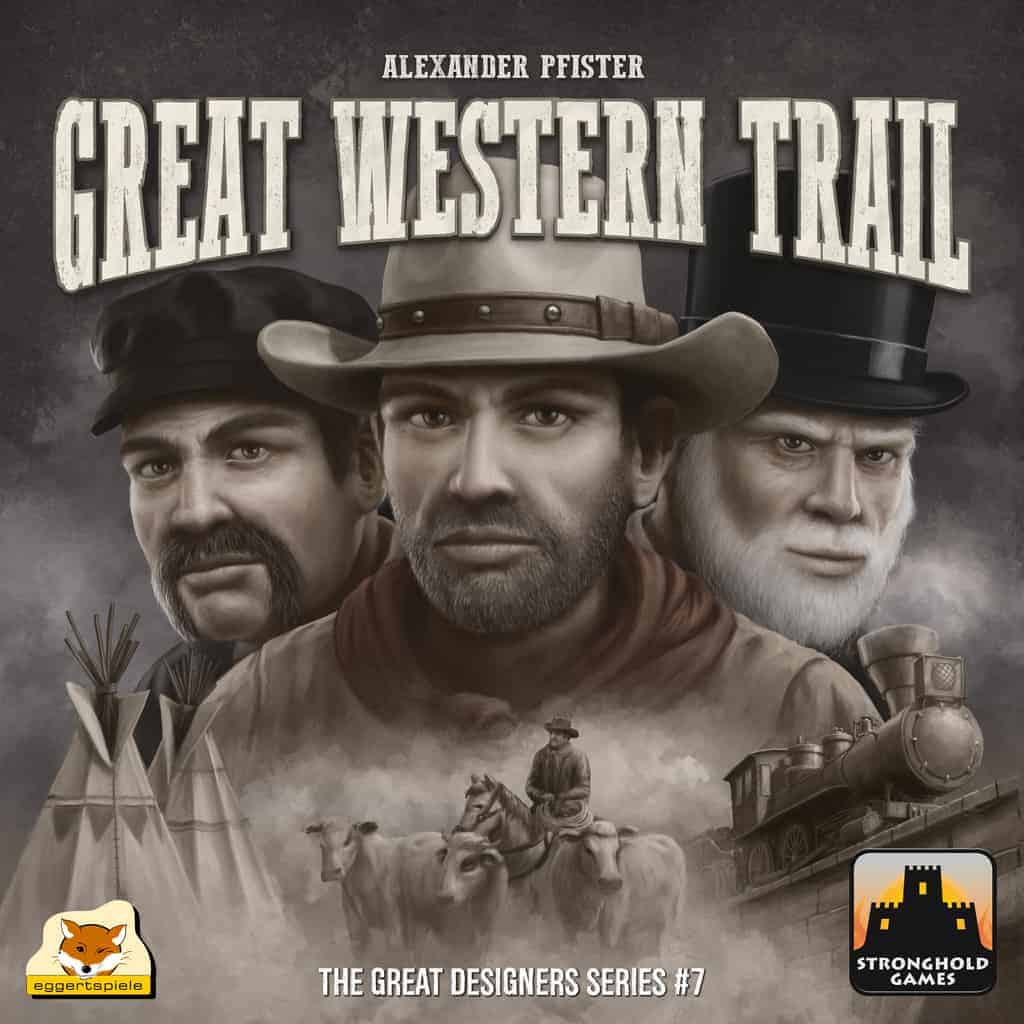
America in the 19th century: You are a rancher and repeatedly herd your cattle from Texas to Kansas City, where you send them off by train. This earns you money and victory points. Needless to say, each time you arrive in Kansas City, you want to have your most valuable cattle in tow. However, the “Great Western Trail” not only requires that you keep your herd in good shape, but also that you wisely use the various buildings along the trail. Also, it might be a good idea to hire capable staff: cowboys to improve your herd, craftsmen to build your very own buildings, or engineers for the important railroad line.

If you cleverly manage your herd and navigate the opportunities and pitfalls of Great Western Trail, you surely will gain the most victory points and win the game.

Read More

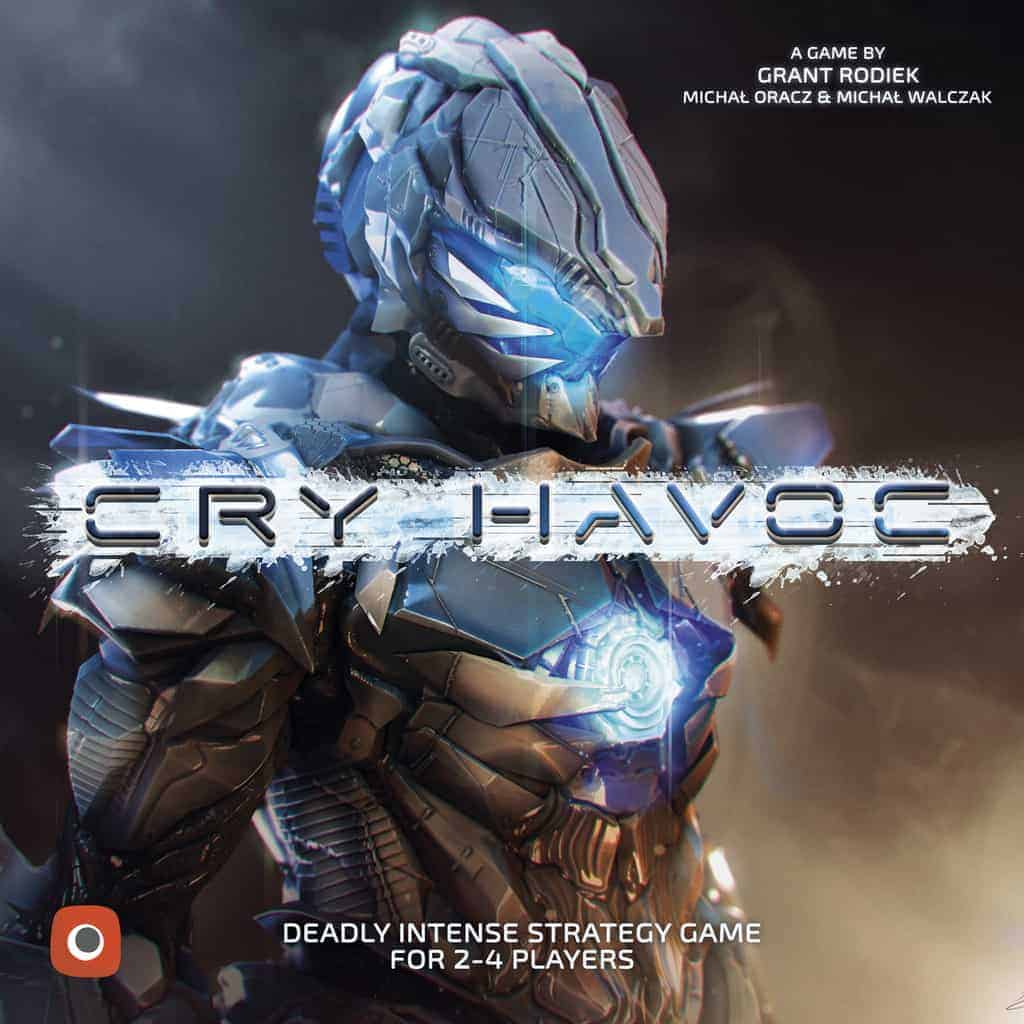
Cry Havoc

|

Cry Havoc is a card-driven, asymmetric, area control war game set in a brutal, science fiction setting. Each player commands one of four unique factions with varying abilities and units. The game includes 54 custom miniatures, a large format board, and over one hundred unique cards, all with stunning new artwork.

Read More

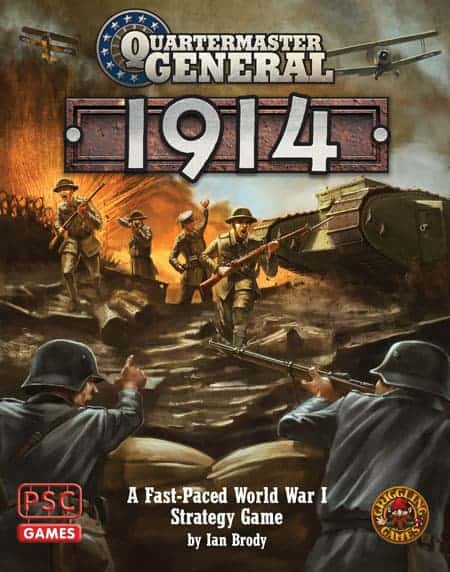
Quartermaster General: 1914

|

Quartermaster General: 1914 is the next title in the critically acclaimed Quartermaster General series by Ian Brody and creates a narrative of the First World War in Europe, reflecting the military, technological, and social changes that occurred over the following four years.

In Quartermaster General: 1914, each card has two different uses: one when played, and another when prepared. On your turn, you have the opportunity to both play and prepare a card. You can also spend cards to draft more troops, or use cards to attrition your opponents. However, your deck represents your overall resources, so moving too quickly through your deck early might result in your unsupported armies being swept away in the final rounds of the game. This is worth it if you can capture Berlin or Paris in 1915, but if your gambit fails, you may have a tough road ahead.

The game ends after 17 rounds of play, or earlier if one side has a commanding lead.

Read More

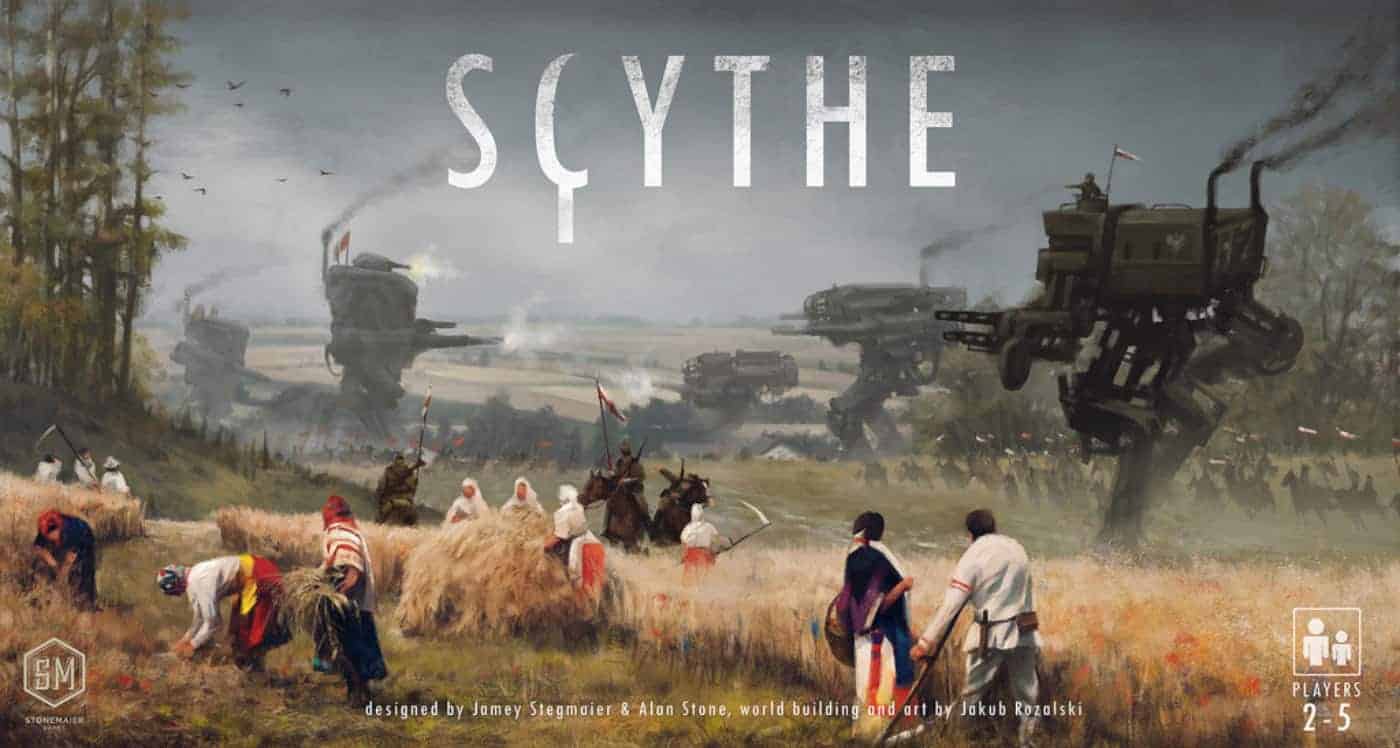
Scythe

Mare Nostrum

It is a time of unrest in 1920s Europa. The ashes from the first great war still darken the snow. The capitalistic city-state known simply as “The Factory”, which fueled the war with heavily armored mechs, has closed its doors, drawing the attention of several nearby countries.

Scythe is a Worker Placement/Economic Engine board game set in an alternate-history 1920s period. It is a time of farming and war, broken hearts and rusted gears, innovation and valor. In Scythe, each player represents a character from one of five factions of Eastern Europa who are attempting to earn their fortune and claim their faction’s stake in the land around the mysterious Factory. Players conquer territory, enlist new recruits, reap resources, gain villagers, build structures, and activate monstrous mechs.

Each player begins the game with different resources (power, coins, combat acumen, and popularity), a different starting location, and a hidden goal. Starting positions are specially calibrated to contribute to each faction’s uniqueness and the asymmetrical nature of the game (each faction always starts in the same place).

Scythe gives players almost complete control over their fate. Other than each player’s individual hidden objective card, the only elements of luck or variability are “encounter” cards that players will draw as they interact with the citizens of newly explored lands. Each encounter card provides the player with several options, allowing them to mitigate the luck of the draw through their selection. Combat is also driven by choices, not luck or randomness.

Scythe uses a streamlined action-selection mechanism (no rounds or phases) to keep gameplay moving at a brisk pace and reduce downtime between turns. While there is plenty of direct conflict for players who seek it, there is no player elimination.

Every part of Scythe has an aspect of engine-building to it. Players can upgrade actions to become more efficient, build structures that improve their position on the map, enlist new recruits to enhance character abilities, activate mechs to deter opponents from invading, and expand their borders to reap greater types and quantities of resources. These engine-building aspects create a sense of momentum and progress throughout the game. The order in which players improve their engine adds to the unique feel of each game, even when playing one faction multiple times.

Read More

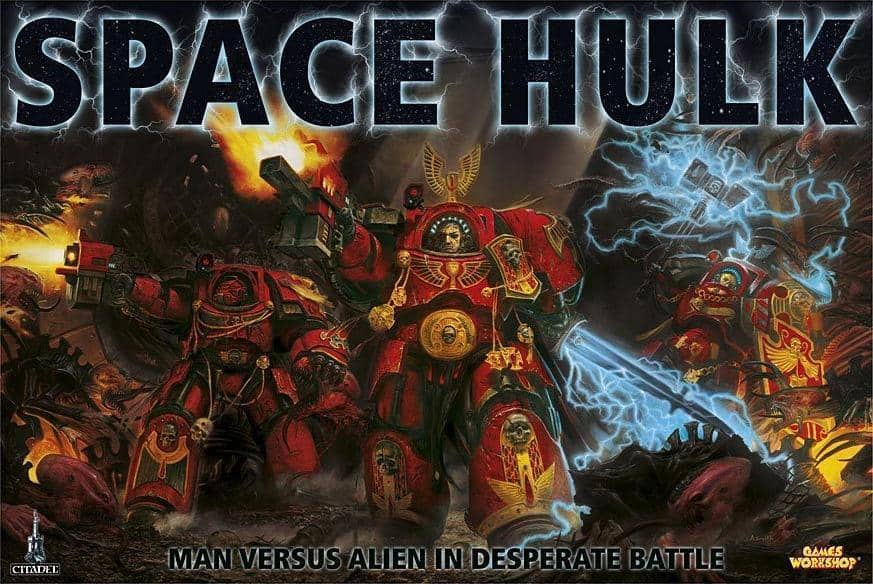
Space Hulk

|

Pit the mighty Blood Angels Terminators against a lethal swarm of agile Genestealers in this two-player board game. Inside the cramped confines of a derelict Space Hulk known as the Sin of Damnation, the Blood Angels must fight to save Mankind from the alien menace that lies within.

Games of Space Hulk are played on a gaming area made up of high-quality card tiles which fit together to create the cramped confines of the Space Hulk. Each of the 16 missions included in the boxed game uses a different set-up, or alternatively you can assemble the pieces in any way you like and create your own bespoke games.

The rules to play the game and 16 missions are all contained within two full colour booklets: the Rulebook and Mission Book. There are also 35 plastic Citadel miniatures, including: 11 Blood Angels Space Marine Terminators, 1 Blood Angels Space Marine Librarian in Terminator armour, 22 Genestealers, and 1 Broodlord. Also included are three plastic mission objectives models: a dead Space Marine on throne, a Blood Angels artefact and a Cyber-Altered Task Unit.

In addition to the booklets and miniatures, you will receive a set of high-quality card tiles that make up the gaming board. Included are: 110 gaming counters, 77 corridor and room sections, 2 new boarding torpedoes , a turbo-lift, 20 doors with plastic stands, 1 mission status display, a sand timer and 5 dice.

Read More

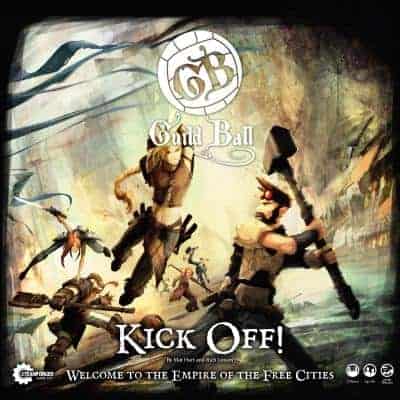
Guild Ball

|

After 12 months of development, Mat Hart and Rich Loxam are pleased to present “Guild Ball”, a tabletop medieval football wargame. Playing the role of the team coach, you will take control of a Guild Ball football (soccer) team and with a combination of tactics and strategy attempt to outscore your opponent whilst simultaneously trying to achieve additional secret political objectives and agendas.

Read More

Kingdom Death: Monster

|

17 lbs of Nightmare Horror Gaming

224 Page Rulebook, 17 Hard Plastic Sprues of Miniatures, 1000+ Matte Game Cards, 400+ Unique pieces of Art and 86 Full Page Illustrations.
Kingdom Death: Monster is a fully cooperative tabletop hobby game experience. Unite to survive by hunting monsters and collectively guiding the development of your settlement through a 25 year, self-running campaign. Every choice – from each showdown space moved, each desperately crafted piece of gear, to what Principles your settlement upholds – can have lasting impact on this highly replayable and challenging game experience.

Read More

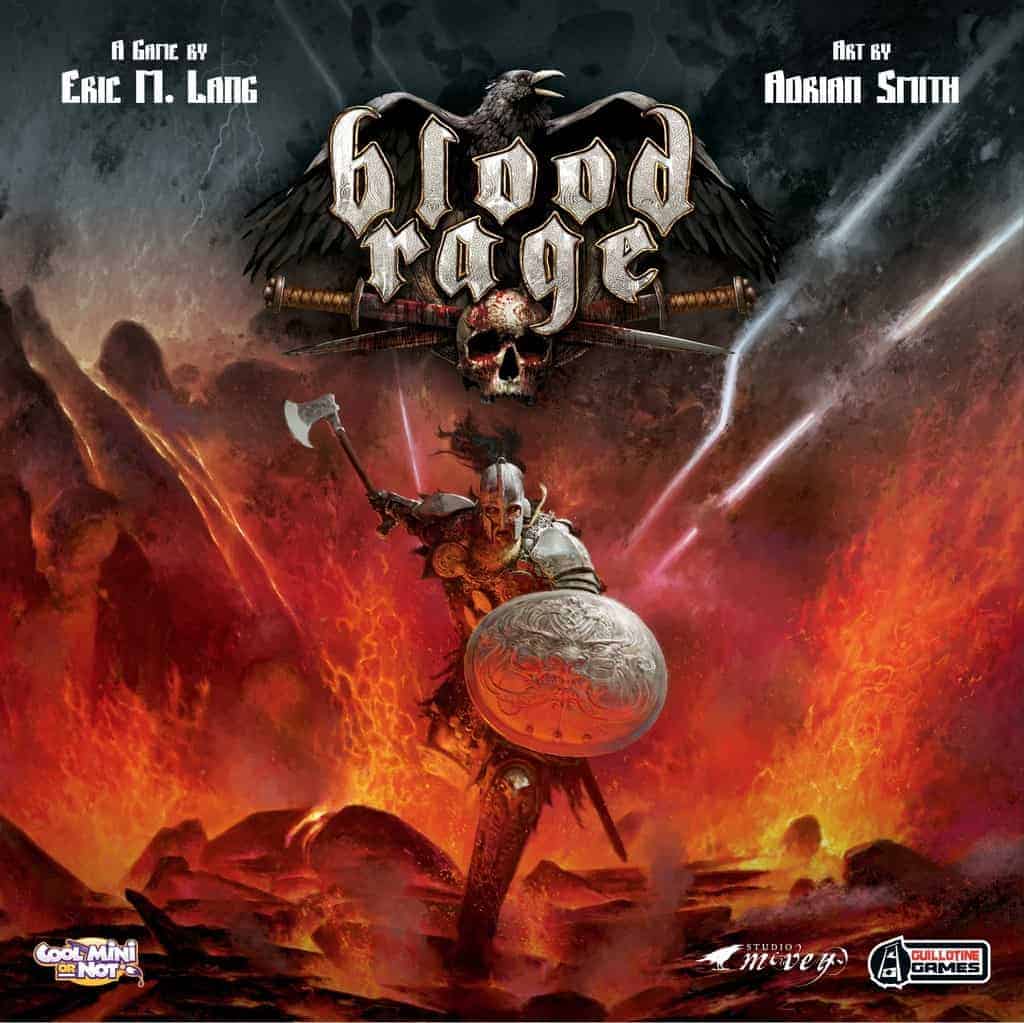
Blood Rage

Blood Rage

“Life is Battle; Battle is Glory; Glory is ALL”

In Blood Rage, each player controls their own Viking clan’s warriors, leader, and ship. Ragnarök has come, and it’s the end of the world! It’s the Vikings’ last chance to go down in a blaze of glory and secure their place in Valhalla at Odin’s side! For a Viking there are many pathways to glory. You can invade and pillage the land for its rewards, crush your opponents in epic battles, fulfill quests, increase your clan’s stats, or even die gloriously either in battle or from Ragnarök, the ultimate inescapable doom.

Most player strategies are guided by the cards drafted at the beginning of each of the three game rounds (or Ages). These “Gods’ Gifts” grant you numerous boons for your clan including: increased Viking strength and devious battle strategies, upgrades to your clan, or even the aid of legendary creatures from Norse mythology. They may also include various quests, from dominating specific provinces, to having lots of your Vikings sent to Valhalla. Most of these cards are aligned with one of the Norse gods, hinting at the kind of strategy they support. For example, Thor gives more glory for victory in battle, Heimdall grants you foresight and surprises, Tyr strengthens you in battle, while the trickster Loki actually rewards you for losing battles, or punishes the winner.

Players must choose their strategies carefully during the draft phase, but also be ready to adapt and react to their opponents’ strategies as the action phase unfolds. Battles are decided not only by the strength of the figures involved, but also by cards played in secret. By observing your opponent’s actions and allegiances to specific gods, you may predict what card they are likely to play, and plan accordingly. Winning battles is not always the best course of action, as the right card can get you even more rewards by being crushed. The only losing strategy in Blood Rage is to shy away from battle and a glorious death!

Read More

Vinhos Deluxe Edition

|

Vinhos (the Portuguese word for “wines”) is a trading and economic game about wine making. Despite its small size, Portugal is one of the world’s leading wine producers. Over six years of harvests, cultivate your vines, choose the best varieties, hire the best oenologists, take part in trade fairs, and show your opponents you are the best winemaker in the game.

As winemakers in Portugal, the players develop their vineyards and produce wine to achieve maximum profit. The object of the game is to produce quality wines that can be exchanged for money or victory points.

Read More

Mechs vs. Minions

|

Mechs vs Minions is available for purchase http://na.leagueoflegends.com/en/featured/mechs-vs-minions exclusively from the official site.

Mechs vs. Minions is a cooperative tabletop campaign for 2-4 players. Set in the world of Runeterra, players take on the roles of four intrepid Yordles: Corki, Tristana, Heimerdinger, and Ziggs, who must join forces and pilot their newly-crafted mechs against an army of marauding minions. With modular boards, programmatic command lines, and a story-driven campaign, each mission will be unique, putting your teamwork, programming, and piloting skills to the test.

There are ten missions in total, and each individual mission will take about 60-90 minutes. The box includes five game boards, four command lines (one for each player), four painted mech miniatures, ability and damage decks, a sand timer, a bomb-like-power source miniature, 6 metal trackers, 4 acrylic shards, 4 dice, and 100 minion miniatures. There also appears to be some large object trying to get out of that sealed box…

Read More