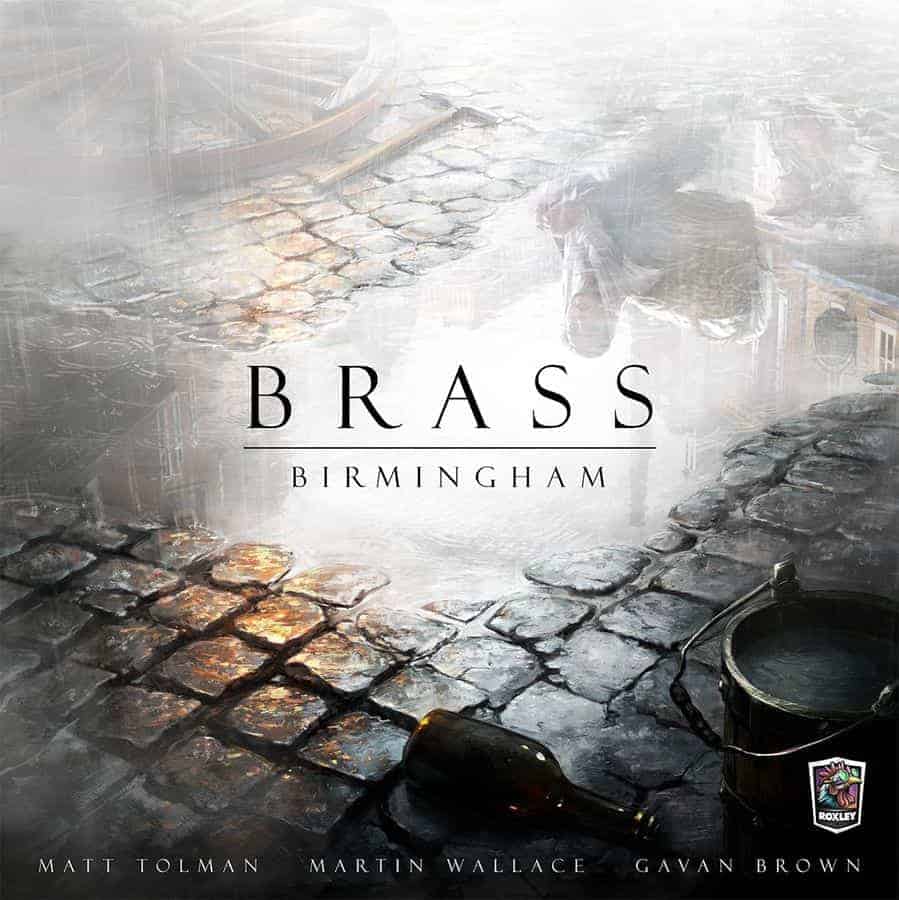
Dune

Imagine you can control the forces of a noble family, guild, or religious order on a barren planet which is the only source for the most valuable substance in the known universe. Imagine you can rewrite the script for one of the most famous science fiction books of all time. Welcome to the acclaimed 40-year-old … Read more

Read More

Alien Frontiers

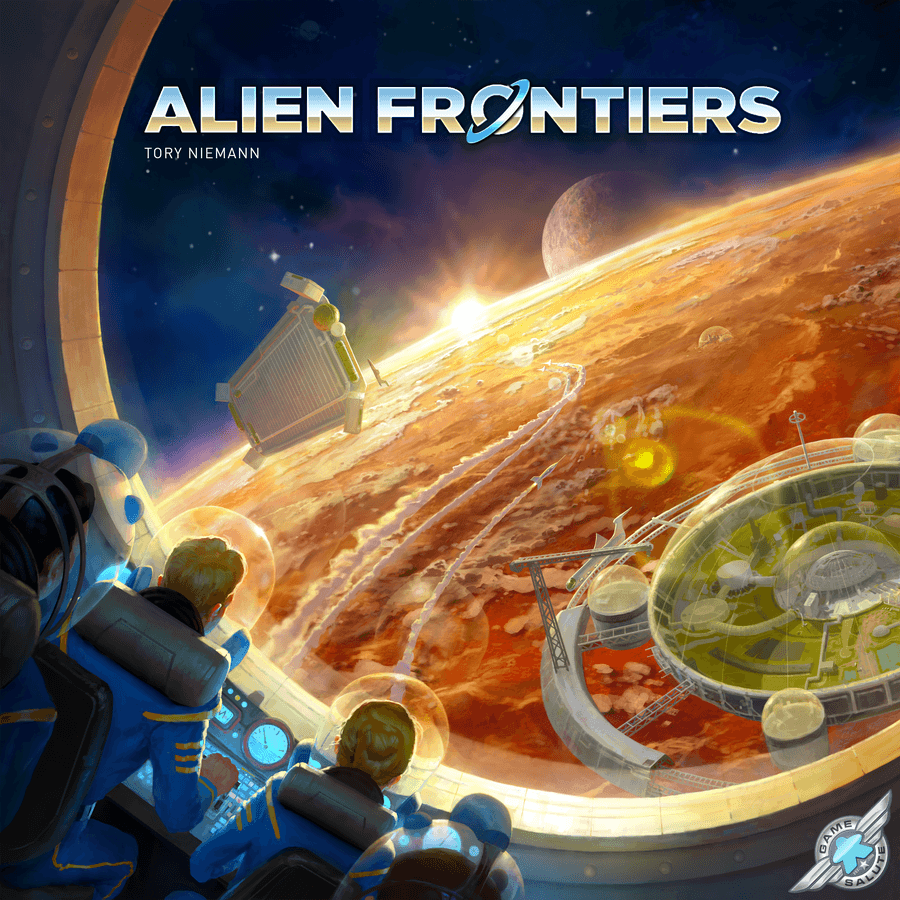
Do you have what it takes to be a deep space colonist? An alien frontier awaits the brave and daring! This new planet will be harsh, but if you have the skills to manage your resources, build a fleet, research alien life, and settle colonies, the world can be yours.

Alien Frontiers is a game of resource management and planetary development for two to four players. During the game you will utilize orbital facilities and alien technology to build colony domes in strategic locations to control the newly discovered world.

Read More

Kemet

Kemet

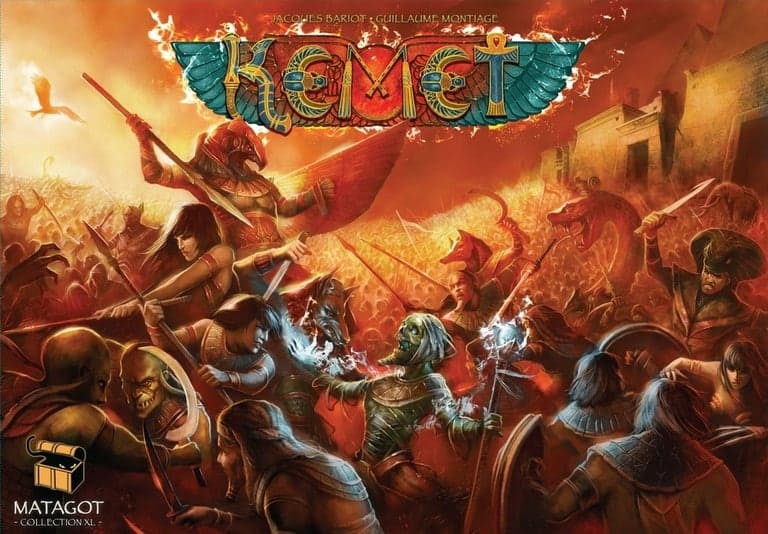
In Kemet, players each represent an Egyptian tribe and will use the mystical powers of the gods of ancient Egypt – along with their powerful armies – to score points in glorious battles or through invasion of rich territories.

The conquest for the land of Kemet takes place over two phases: Day and Night. During the day, choose an action amongst the nine possible choices provided by your player mat and perform it immediately. Once every player has taken five actions, night falls, with players gathering Prayer Points from their temples, drawing Divine Intervention cards, and determining the turn order before the start of the new day.

As the game progresses, they can use Prayer Points to enroll magical creatures and have them join their troops. In addition to intimidating enemies, these creatures provide special powers!

Expect to see lots of detailed components, as in Matagot’s Cyclades, to represent the armies and immortals.

Read More

Too Many Bones

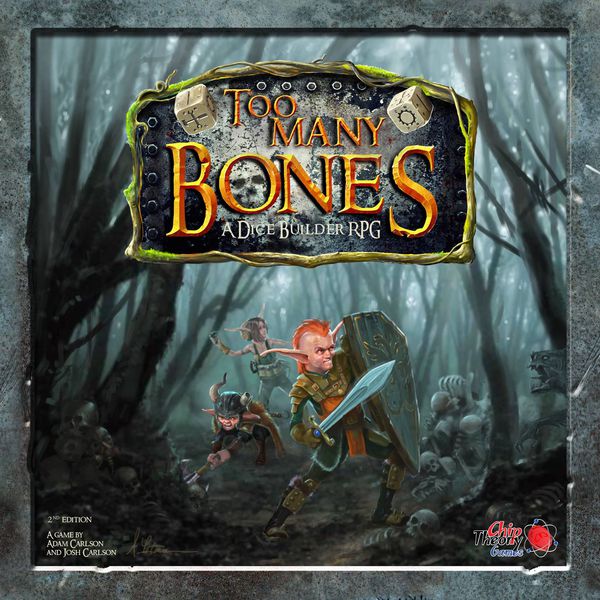
Too Many Bones comes loaded for bear by breaking into a new genre: the dice-builder RPG. This game takes everything you think you know about dice-rolling and turns it on its head. Dripping with strategy, this fantasy-based RPG puts you in the skin of a new race and takes you on an adventure to the northern territories to root out and defeat growing enemy forces and of course the infamous “baddie” responsible.

Read More

Pipeline

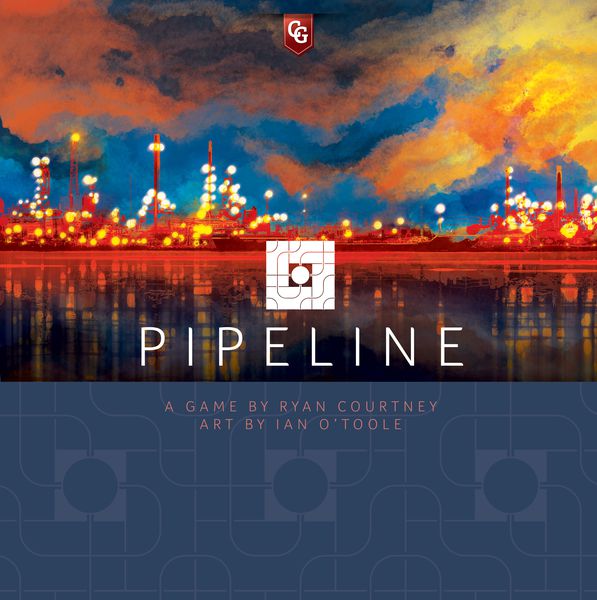
The refinement of oil has long been part of the government-controlled energy sector. Amassed with an incredibly complex and inefficient system of refineries, the government has felt the severe pressures of worldwide demand and the ever-increasing global standards for refinement. Unable to keep up with demand, the government has only one option: privatizing the oil … Read more

Read More

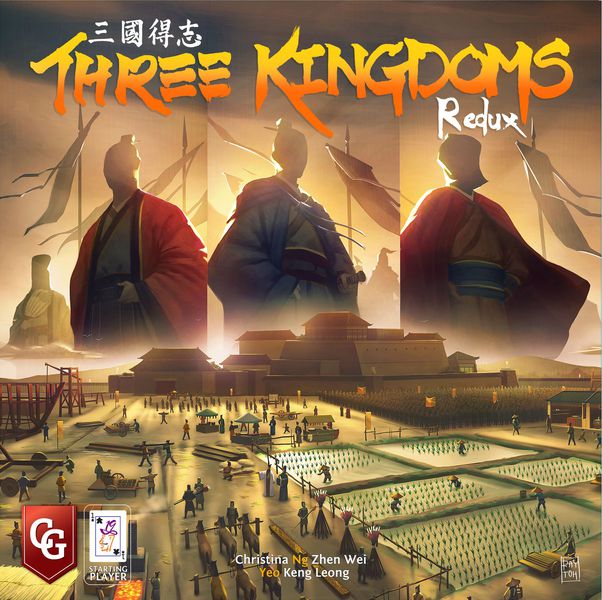
Three Kingdoms Redux

The Han Dynasty, founded in 206 BC, ruled the central plains and much of modern day China for nearly four hundred years. However, by late second century, court politics and poor governance has left it in rapid decline. The government was dominated by corrupt eunuchs and officials who levied heavy taxes on the peasants, resulting in public discontent. This culminated in the Yellow Turban Rebellion led by Zhang Jiao in 184 AD during the reign of Emperor Ling (168-189 AD).

Read More

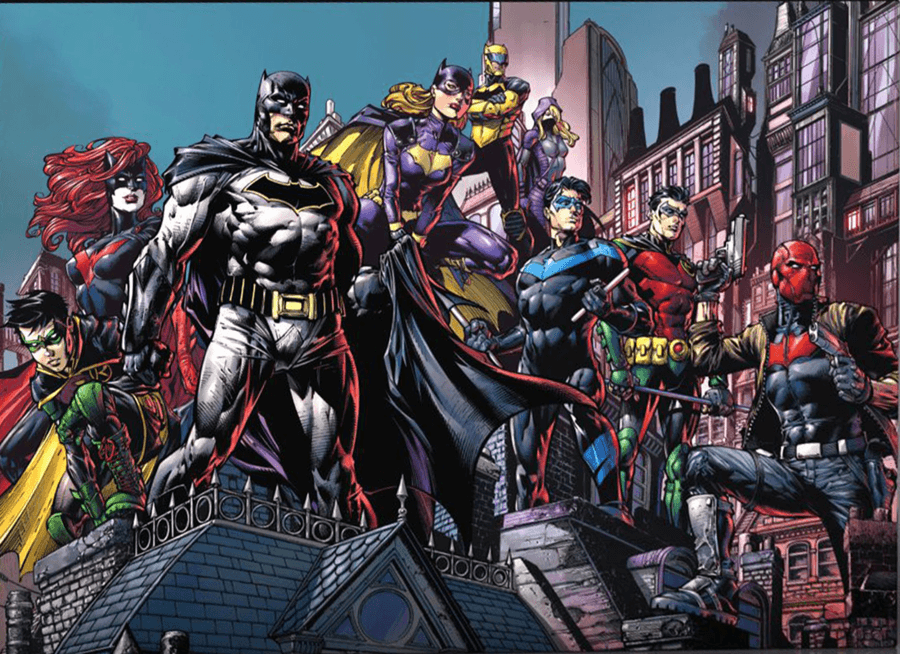
Batman: Gotham City Chronicles

In Batman: Gotham City Chronicles, one villain faces off against a team of heroes in one of multiple scenarios. Each hero has their own character, and they control this character by spending energy to perform actions (such as Melee and Ranged attacks, defusing bombs…) recovering more or less energy at the beginning of their turn depending on their stance. If the hero gets damaged, energy moves to a wound area, and if they lose all of their energy, then they’re out of action for a while to recover their strength. Each hero has differing strengths for their abilities, and these strengths are represented by colored dice with different values; the more energy a hero spends on an ability, the more dice of that color they can roll.

The villain controls a team of henchmen and iconic villains of the Batman universe, and these characters are represented by tiles on their command board, with the characters costing 1, 2, 3, etc. energy to activate as you move left to right down the line. Once a character is activated, they move to the end of the line, boosting their cost to the maximum value should you want to use them again immediately, and decreasing the cost of the other tiles.

The game-play in Batman: Gotham City Chronicles is based on that of Conan, with revisions to character abilities, the addition of two different types of dice (w/ five types total), and a modified two-player set-up, the Versus Mode, in which each player has a command board and their own team of tiles that they can draft, with heroes facing off against villains.

Read More

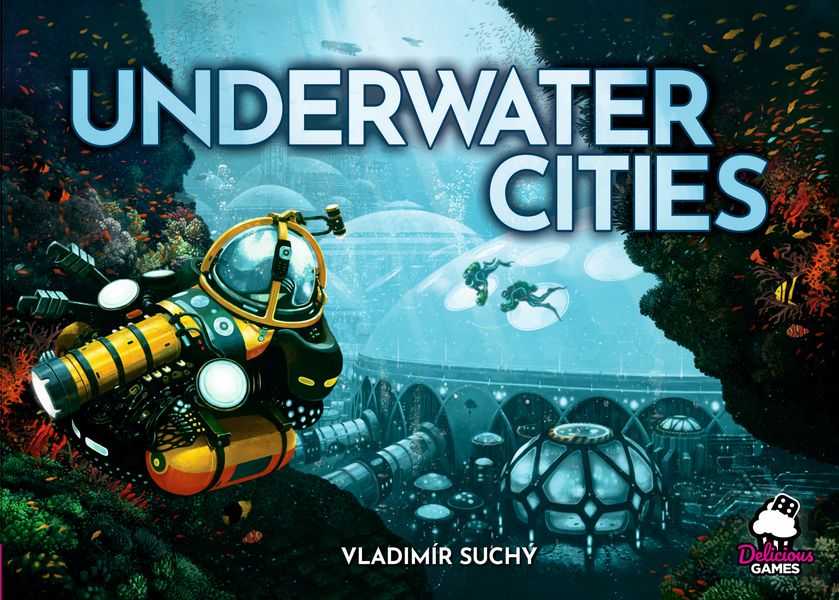
Underwater Cities

In Underwater Cities, which takes about 30-45 minutes per player, players represent the most powerful brains in the world, brains nominated due to the overpopulation of Earth to establish the best and most livable underwater areas possible.

The main principle of the game is card placement. Three colored cards are placed along the edge of the main board into 3 x 5 slots, which are also colored. Ideally players can place cards into slots of the same color. Then they can take both actions and advantages: the action depicted in the slot on the main board and also the advantage of the card. Actions and advantages can allow players to intake raw materials; to build and upgrade city domes, tunnels and production buildings such as farms, desalination devices and laboratories in their personal underwater area; to move their marker on the initiative track (which is important for player order in the next turn); to activate the player’s “A-cards”; and to collect cards, both special ones and basic ones that allow for better decision possibilities during gameplay.

All of the nearly 220 cards — whether special or basic — are divided into four types according to the way and time of use. Underwater areas are planned to be double-sided, giving players many opportunities to achieve VPs and finally win.

Read More

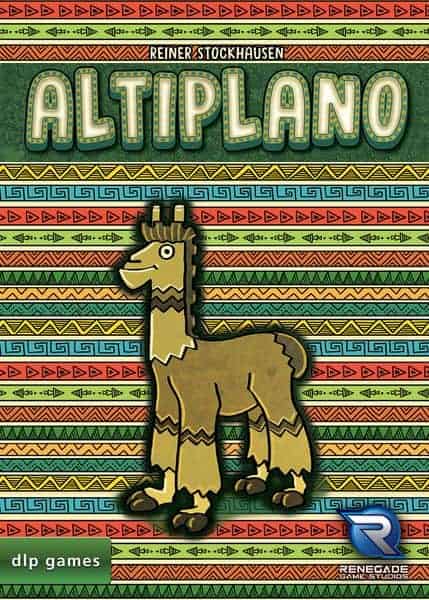
Altiplano

Altiplano, a bag-building game along the lines of Orléans set in the South American highlands of the Andes — the Altiplano — is not a simple game, presenting players with new challenges time and again. There are various ways to reach the goal, so the game remains appealing to try out new options and strategies, but success or failure also depends on whether your opponents let you do as you like or thwart the strategy you are pursuing. The competition for the individual types of goods is considerable — as is the fun in snatching a coveted extension card from under another player’s nose!

At the start of the game, players have access only to certain resources and goods, due to the different role tiles that each player receives that provide them. At the market, however, a player can acquire additional production sites that give new options. The numerous goods — such as fish, alpaca, cacao, silver, or corn — all have their own characteristics and places where they can be used. Whereas silver makes you rich, fish can be exchanged for other goods, and alpaca give you wool that you can then make into cloth.

Aside from building up an effective production, you must deliver the right goods at the right time, develop the road in good time, and store your goods cleverly enough to fill the most valuable rows with them. Often, a good warehouseperson is more relevant in the end than the best producer.

Read More

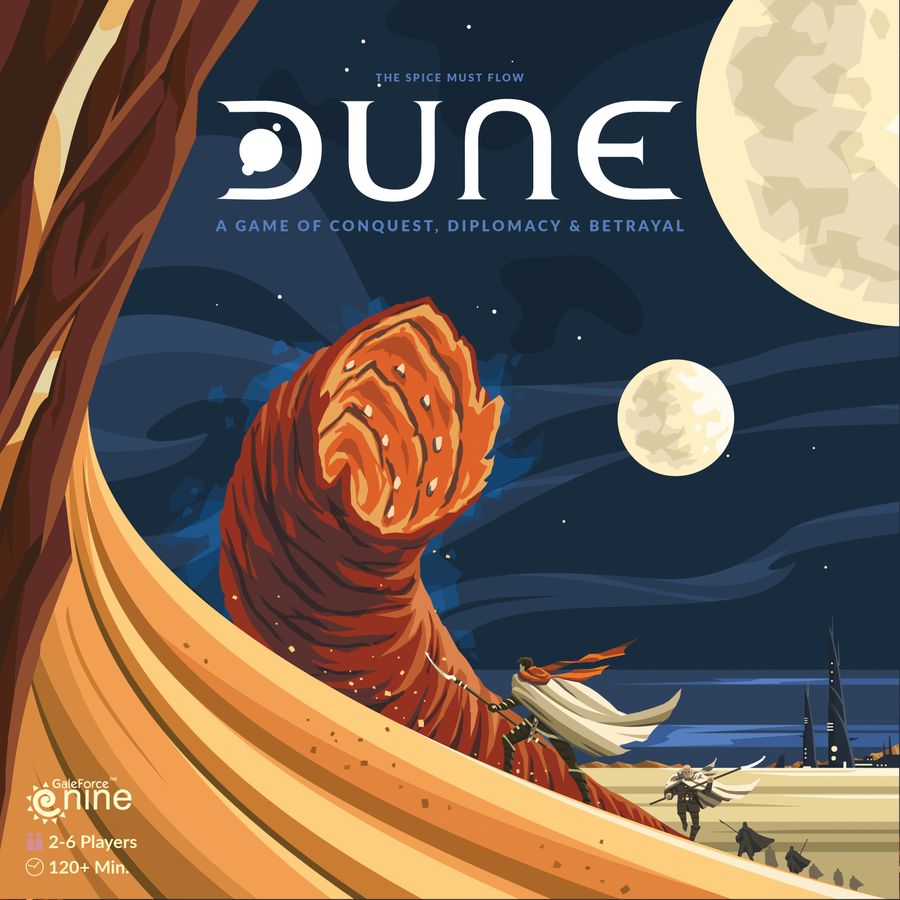
Brass: Birmingham

|

A finely brewed sequel to the original featuring new industries, new mechanics, and new strategies for you to discover.
~ Birmingham Features ~

Dynamic board setup makes each game unfold completely differently
Core rules stay true to the original
New canal/rail scoring creates tactics in where you place them
3 new industry types include Breweries, Potteries and Manufactured goods
New actions, mechanics and strategies to discover

Read More